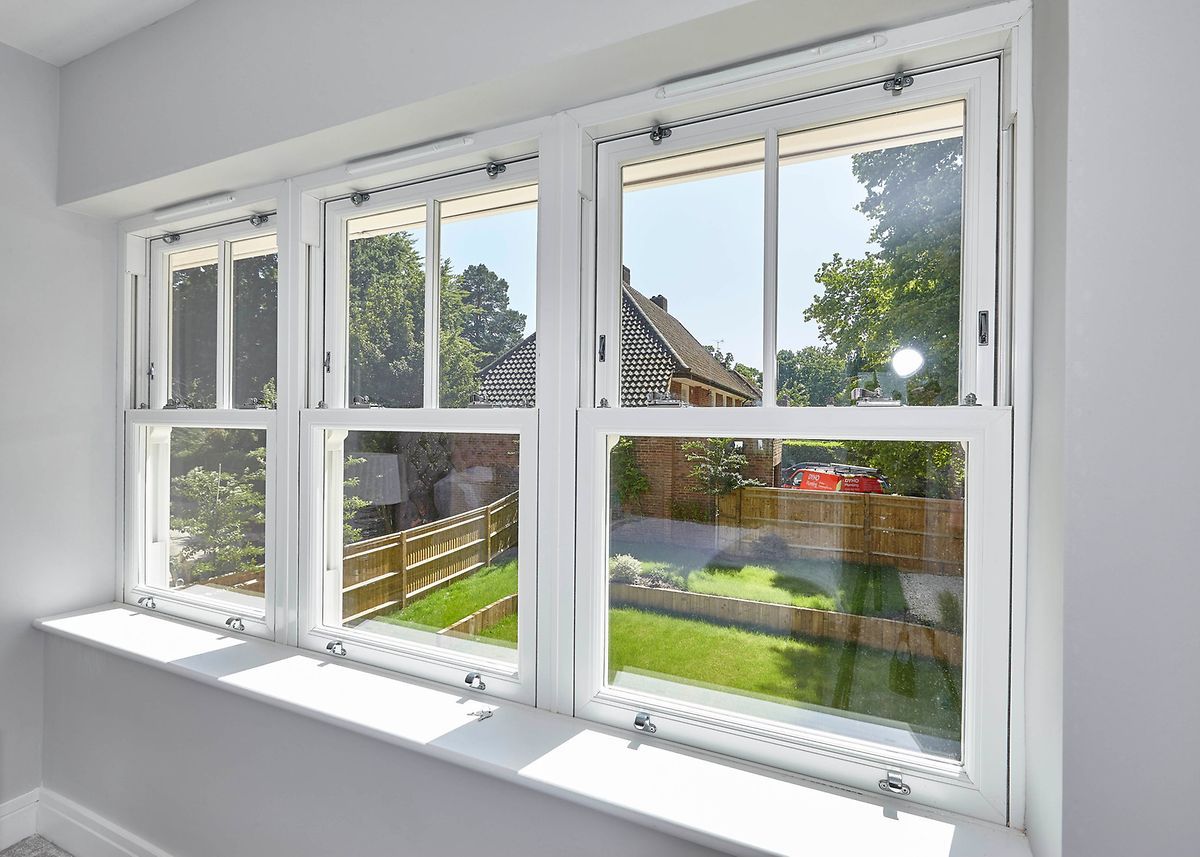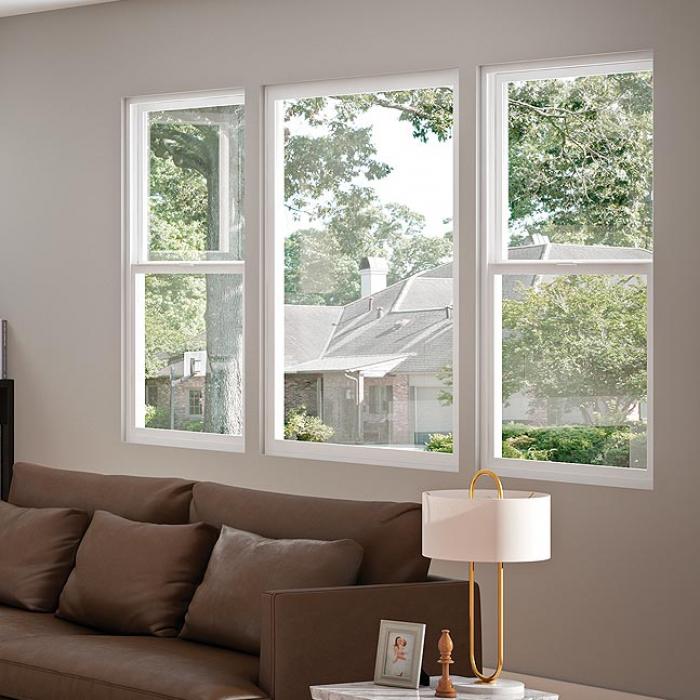
Drafty windows in Woodland Park, CO, are often caused by worn weatherstripping, gaps around window frames, damaged seals, aging windows, or poor installation.
Cold mountain temperatures and strong winds can make these problems more noticeable, especially during winter.
Depending on the cause, homeowners may be able to stop the drafts with simple repairs, while other situations require professional window glass repair or replacement.
You’re sitting in your living room on a cold Woodland Park evening, enjoying the warmth of your home, when you feel a little cold air coming from the window.
At first, you might think someone left it cracked open. You check the latch, make sure everything is closed, and go back to what you were doing. But a few minutes later, you feel that same chilly breeze.
Sound familiar?
Drafty windows are something many homeowners deal with, especially in mountain communities like Woodland Park.
When temperatures drop and the wind picks up, even a small gap around a window can make a room feel uncomfortable.
The good news is that a drafty window doesn't always mean you need a new replacement window. Sometimes the problem is relatively simple to fix. Other times, the window may have developed issues that need a closer look.
Let's walk through seven common reasons your windows might be letting cold air inside and what you can do about them.
1. Worn Weatherstripping Around Your Windows
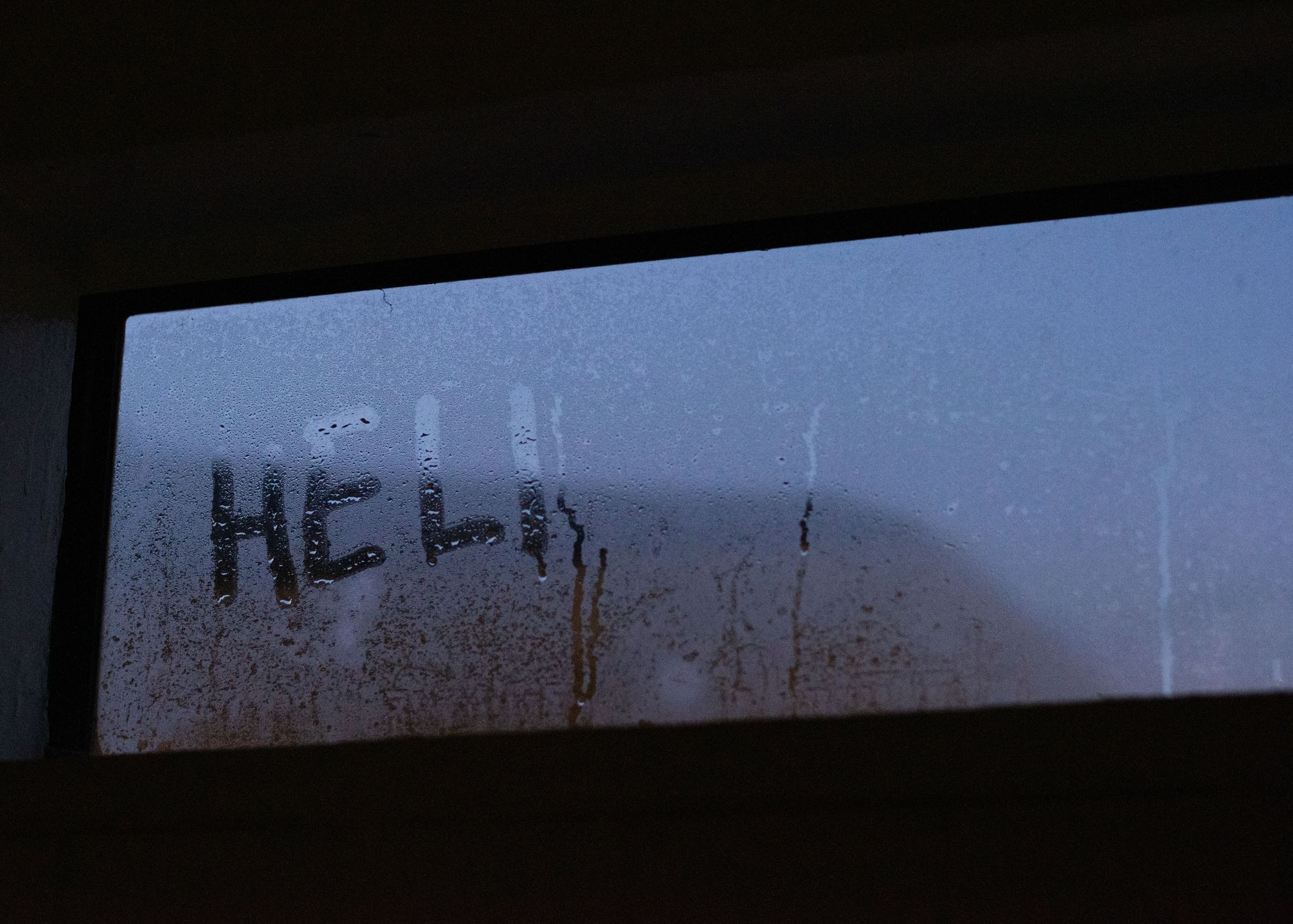
Weatherstripping is one of those little things most homeowners never think about until it stops working. It's the material around the moving parts of your windows that helps keep outside air from getting inside. Over time, it can become brittle, flatten out, tear, or pull away from the frame.
When that happens, cold air can find its way through. You may notice a draft when you're standing near the window, particularly on windy days. Sometimes you can even hear a faint whistling sound when the wind is blowing.
What can you do?
Take a close look at the weatherstripping. If it's cracked, loose, or missing in places, replacing it may help restore a tighter seal. This is often one of the easier and more affordable window repairs.
2. Gaps Between the Window Frame and the Wall
Here's something that surprises many homeowners: the cold air you're feeling might not actually be coming through the window itself. It could be entering through small gaps between the window frame and the surrounding wall.
Over time, caulking can shrink, crack, or separate.
Movement in building materials and exposure to changing weather conditions can also contribute to these openings. In Woodland Park, where homes experience significant seasonal temperature changes, these gaps can become particularly noticeable during colder months.
What can you do?
Check around the interior and exterior edges of the window frame for visible cracks or openings.
Depending on the location and condition of the gap, properly applied caulking or other appropriate air-sealing materials may solve the problem.
If the gap is substantial or the frame appears loose, it's worth having a professional inspect it before attempting repairs.
Most modern homes have double-pane windows designed to improve insulation and help maintain comfortable indoor temperatures.
These windows contain two pieces of glass separated by a sealed space. But what happens when that seal fails? Moisture can enter between the panes, creating a cloudy or foggy appearance that doesn't disappear when you clean the glass.
You might also notice that the window feels colder than others in your home.
One important thing to understand is that a failed seal between glass panes doesn't necessarily create an actual air draft into your house. However, it can reduce the window's insulating performance.
That means the area around the window may feel colder, even when air isn't leaking through it.
What can you do?
If you notice persistent condensation between the panes, the insulated glass unit may need to be replaced.
In some cases, the existing window frame can remain in place while the damaged glass unit is replaced.
This is one reason professional window glass repair can be worth considering before investing in an entirely new window.
4. Windows That Don't Close or Lock Properly
Have you ever closed a window and noticed that the lock doesn't quite line up?
Maybe you have to push harder than usual to get it to latch. Or perhaps one corner never seems to close completely.
These might seem like small annoyances, but they can allow outside air to enter your home.
Window hardware can wear out, and moving parts can become misaligned over time. In some cases, the frame or sash may have shifted slightly.
When a window doesn't close tightly, its weatherstripping may not make proper contact, leaving room for drafts.
What can you do?
Start by checking the locks, hinges, and moving parts. Look for dirt or debris that might prevent the window from closing completely.
If the window is difficult to operate or the sash appears crooked, a professional can help determine whether the hardware needs adjustment or the window has a larger structural problem.
Windows don't last forever, even when they've been well maintained. Over the years, exposure to sunlight, wind, precipitation, and temperature changes can affect window frames, seals, and moving components.
Older windows may develop multiple small problems that gradually affect their performance.
You might notice that one room feels colder than the rest of the house. Maybe you're turning up the thermostat more often, or the area near your windows never seems comfortable.
That doesn't automatically mean the windows need replacement, but it does suggest they're worth inspecting.
What can you do?
Consider the overall condition of the window. If the glass is intact, the frame is sound, and the draft is coming from a specific area, a repair may be enough.
However, if the frame is deteriorating, the window is difficult to operate, or several components have failed, replacement may be the better long-term option.
6. Poor Window Installation
Sometimes a window can look perfectly fine but still let cold air inside.That's because the problem may go all the way back to when the window was installed. If a window wasn't properly fitted, insulated, flashed, or sealed, air can move through openings around the installation.
And here's the frustrating part: the problem may not become obvious until the first really cold or windy season. You might have a relatively new window that's draftier than one that's been in your house for twenty years.
What can you do?
If you've had window problems since installation, contact the original window installer if possible. A professional inspection can help identify whether the issue involves the window itself, the surrounding opening, or the installation materials.
Correcting the underlying problem is important. Simply covering up the draft with extra caulk may not solve an improperly installed window.
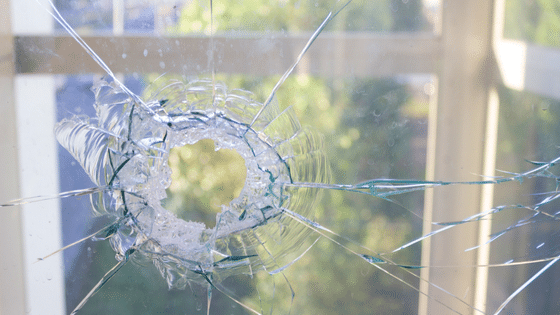
Not every draft comes from a hidden gap or worn seal. Sometimes the damage is right in front of you. A cracked windowpane, damaged frame, or deteriorating glazing material can affect how well a window protects your home from the weather.
Wooden frames may develop rot, while vinyl and other frame materials can become damaged or distorted under certain conditions. A cracked window pane can also allow moisture to enter and may worsen with continued stress.
What can you do?
Don't ignore cracked or broken glass. Even a relatively small crack can become a larger problem, especially when the window is exposed to temperature changes or physical pressure.
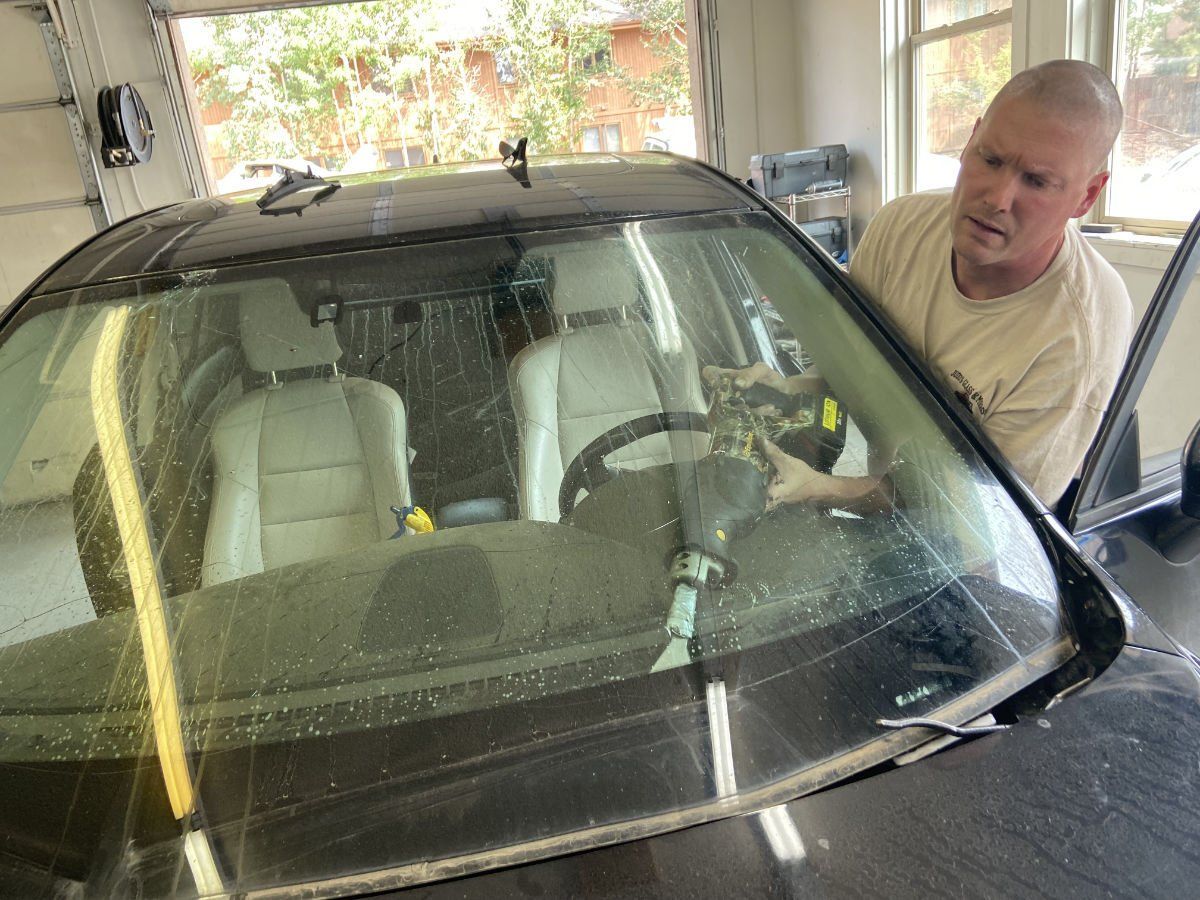
A glass professional can determine whether the damaged pane or insulated glass unit can be replaced while preserving the existing frame.
If the frame itself is badly damaged, a more extensive repair or complete window replacement may be necessary.
How Can You Tell Where Cold Air Is Entering Your Home?
Before deciding whether your windows need repairs, spend a little time figuring out where the problem is coming from. You don't need to be a window expert to notice some of the common warning signs.
Start by standing near the window on a windy day. Slowly move your hand around the frame and the areas where the window opens and closes.
Do you feel a noticeable stream of cold air?
Next, check the weatherstripping, window locks, and caulking. Look for obvious cracks, missing materials, or gaps.
You can also look for these clues:
- Curtains moving slightly when the windows are closed
- Whistling sounds during windy weather
- Cold air entering near the edges of the frame
- Windows that rattle or don't close tightly
- Condensation or fog trapped between glass panes
- Cracked glass or visible frame damage
- Rooms that feel noticeably colder near the windows
Keep in mind that a window can feel cold without actually leaking ai. Glass surfaces naturally become cooler in winter, and that can create the sensation of a draft.
If you can't identify the source, a professional inspection can help distinguish between air leakage, insulation problems, and damaged window components.
This is usually the first question homeowners ask once they realize something is wrong.
And it's a fair question. Nobody wants to spend money replacing a window if a repair will solve the problem.
The answer depends on what's causing the draft.
Window repair may be the better choice when:
- Weatherstripping is worn or missing.
- Caulking around the frame needs attention.
- Window hardware needs adjustment.
- The existing frame is still in good condition.
- An insulated glass unit can be replaced without removing the entire window.
Window replacement may make more sense when:
- The frame is severely deteriorated or damaged.
- The window is no longer structurally sound.
- Multiple components have failed.
- Poor performance continues despite appropriate repairs.
- The homeowner wants to upgrade older windows for improved comfort and energy efficiency.
One thing worth remembering is that every window is different. A repair that makes sense for one window may not be the right solution for another.
Having the problem properly diagnosed can save homeowners from spending money on repairs that don't address the real cause.
Why Drafty Windows Are Especially Noticeable in Woodland Park
Living in Woodland Park has plenty of advantages. The mountain scenery, fresh air, and beautiful surroundings are hard to beat. But mountain weather can also be tough on a home.
Cold winter temperatures, windy conditions, snow, and changing temperatures can expose weaknesses around windows that might go unnoticed during warmer weather. And if your home has large picture windows or several windows facing the prevailing winds, you may notice the difference even more.
Keeping windows properly sealed and maintained helps improve indoor comfort and can reduce unnecessary heating loss. It's also a good reason to inspect your windows before the coldest weather arrives rather than waiting until you're sitting next to a window with a blanket over your legs.
Can drafty windows be repaired without replacing them?
Yes. Many drafty windows can be repaired by replacing weatherstripping, sealing appropriate gaps, adjusting hardware, or addressing problems with the glass. However, badly damaged frames or severely deteriorated windows may require replacement.
Why do my windows feel cold even when they're closed?
Cold window glass can cool nearby indoor air, making the area feel drafty even when there isn't an actual air leak. Poor insulation, damaged glass seals, and gaps around the window frame can also contribute to the problem.
Can a broken window seal cause cold air to enter my house?
A failed seal inside a double-pane window typically allows moisture into the space between the glass panes rather than creating a direct opening into your home. However, it can reduce insulating performance and make the window feel colder.
Is it cheaper to repair drafty windows or replace them?
Repairs are often less expensive when the problem involves weatherstripping, caulking, hardware, or a replaceable glass unit. If the window frame is badly damaged or several components have failed, replacement may provide better long-term value.
Can I replace just the glass instead of the entire window?
In many situations, yes. If the existing frame is in good condition, a glass professional may be able to replace the damaged pane or insulated glass unit without replacing the complete window assembly.
When should I call a professional about drafty windows?
Consider contacting a window professional if you notice persistent drafts, fog between glass panes, cracked glass, damaged frames, or windows that no longer close correctly. An inspection can help determine whether repair or replacement is appropriate.
A cold draft coming through your window might seem like a small problem, but it can make your home less comfortable throughout the winter. And before you decide to replace the entire window, it's worth finding out whether the glass, seals, or other components can be repaired.
At Judd's Glass & Mirror, we help homeowners in Woodland Park, CO, with window glass repair, glass replacement, and related residential glass needs.
Whether you're dealing with foggy double-pane glass, cracked window glass, or wondering if your existing windows can be repaired, our team can help you explore the available options.
Contact Judd's Glass & Mirror in Woodland Park, CO at 719-687-3889 to discuss your window glass repair or replacement needs.